




The Lake Province and Kohoku
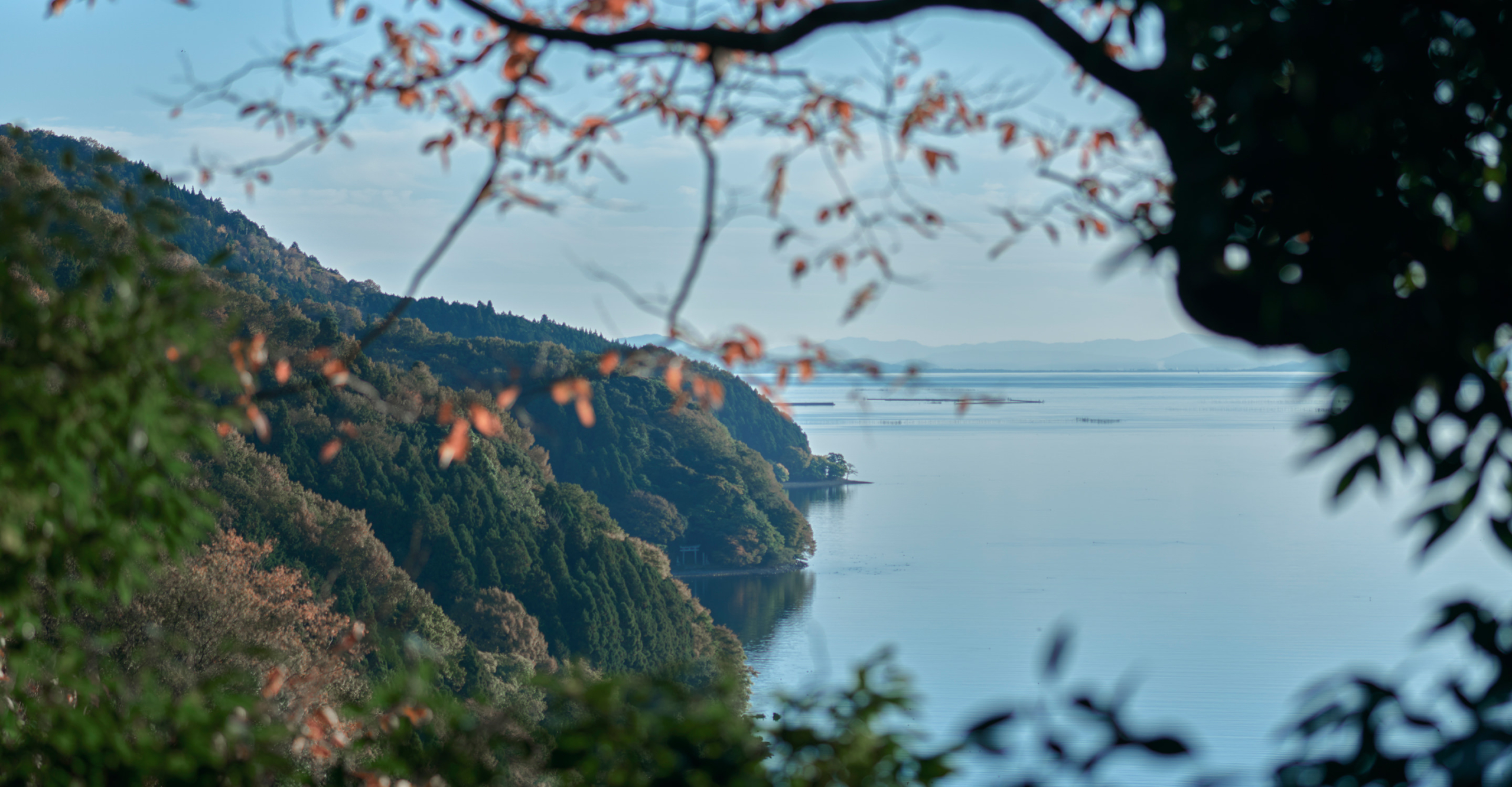
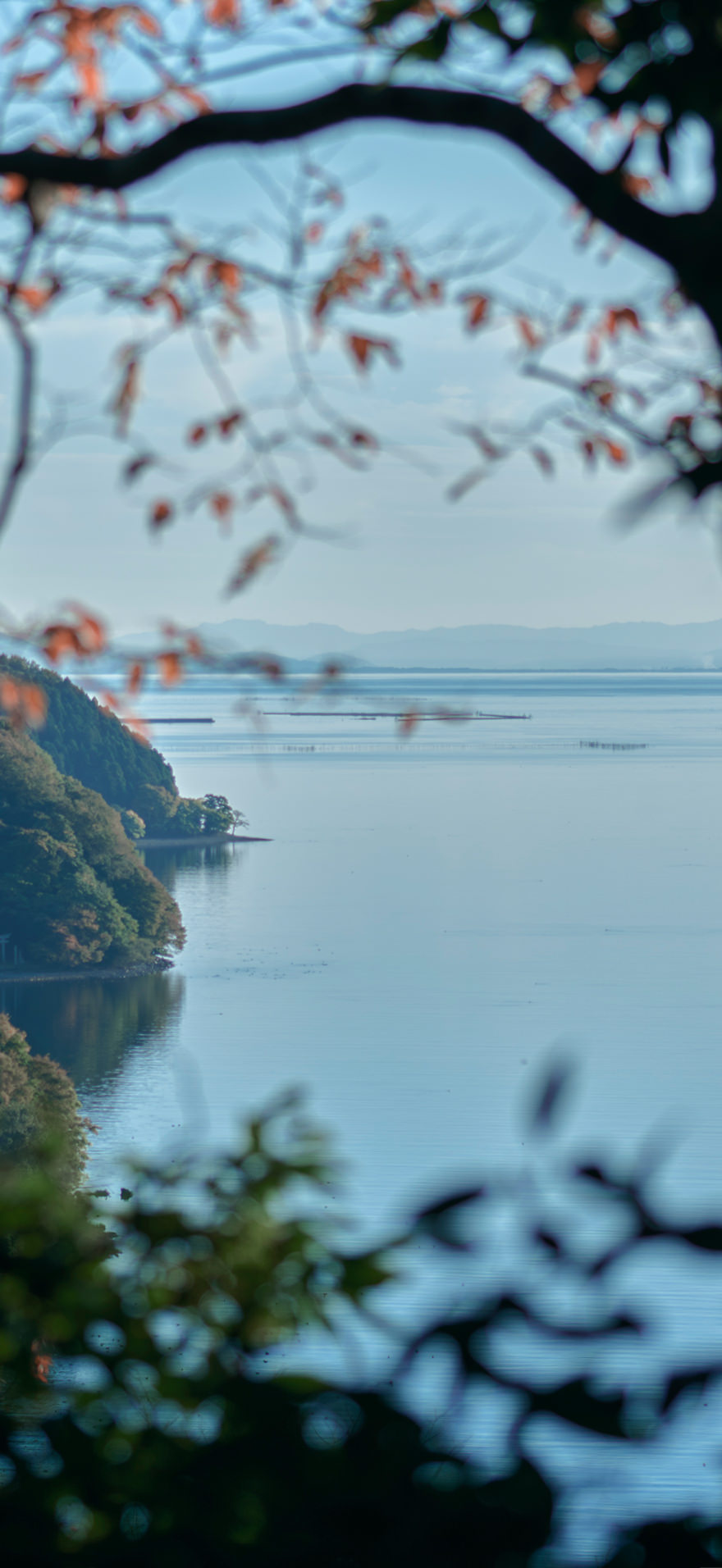
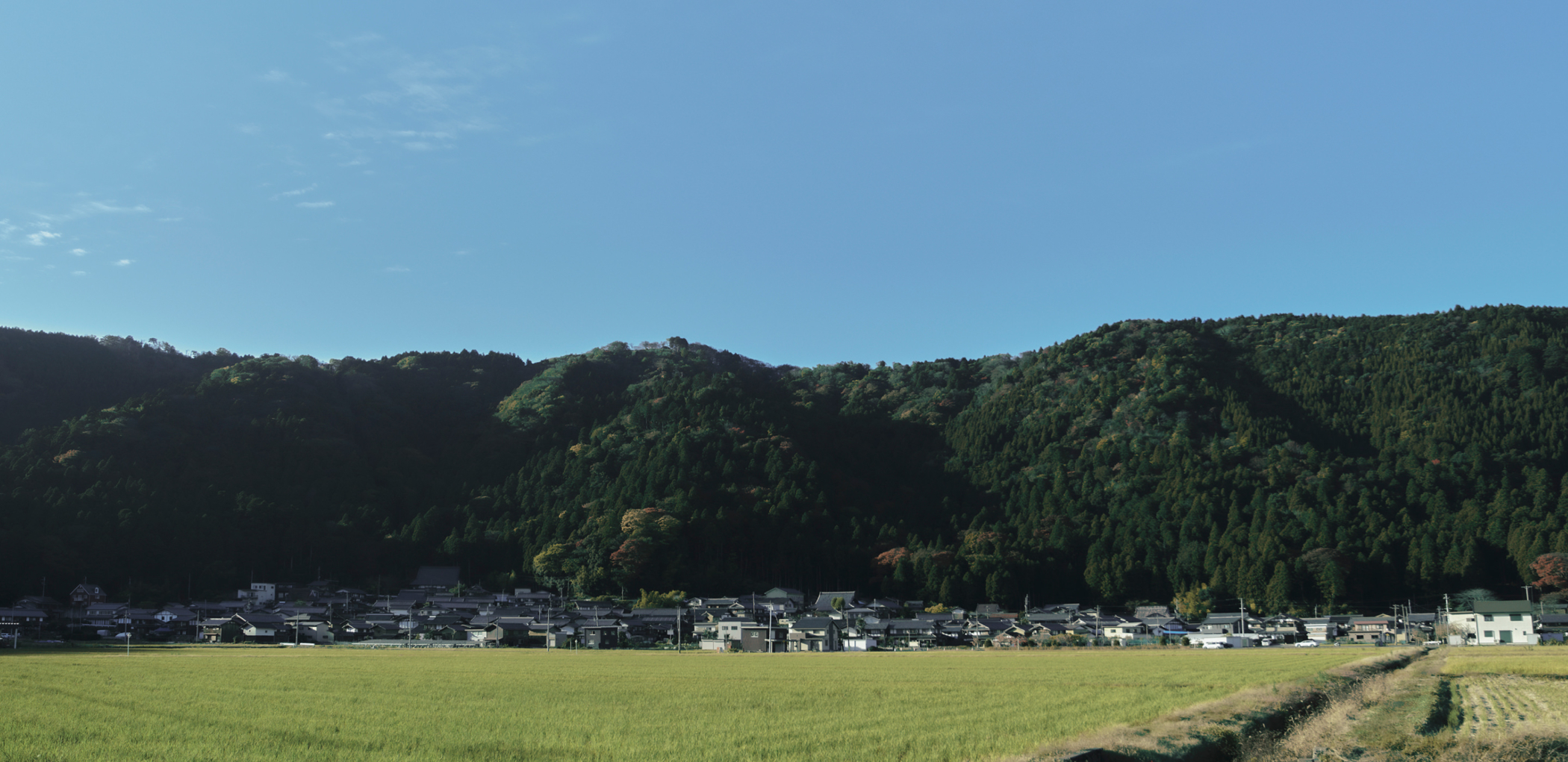
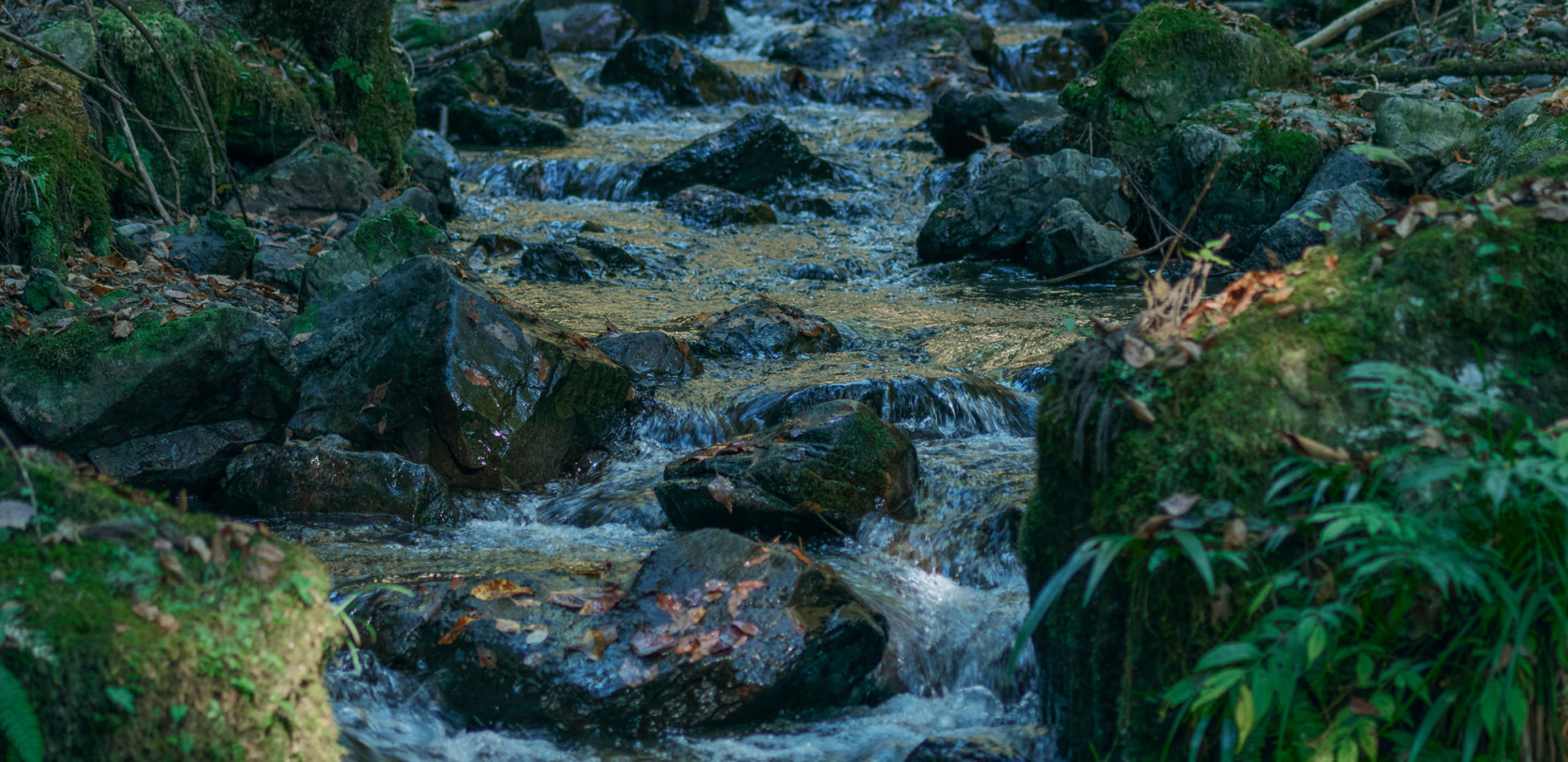
Shiga is known as the Lake Province. Located in the northeastern part of the prefecture, Kohoku is one of Japan’s heaviest snowfall regions. It is surrounded by mountains, including Mt. Ibuki, which has recorded some of the world’s highest snowfall totals since records began. It is this snowfall that sustains the region’s water environment. The deep snow in the mountains slowly melts and seeps into the ground, becoming groundwater and rivers that provide a steady supply of water throughout the year. This water supports rice cultivation and serves as the brewing water for sake.
The severe winter cold also creates ideal conditions for slow and gentle fermentation. Water, cold, and rice. These elements converge in Kohoku, Lake Biwa’s upstream region, making it a land uniquely suited to sake brewing.
Omi, the Land of Roads
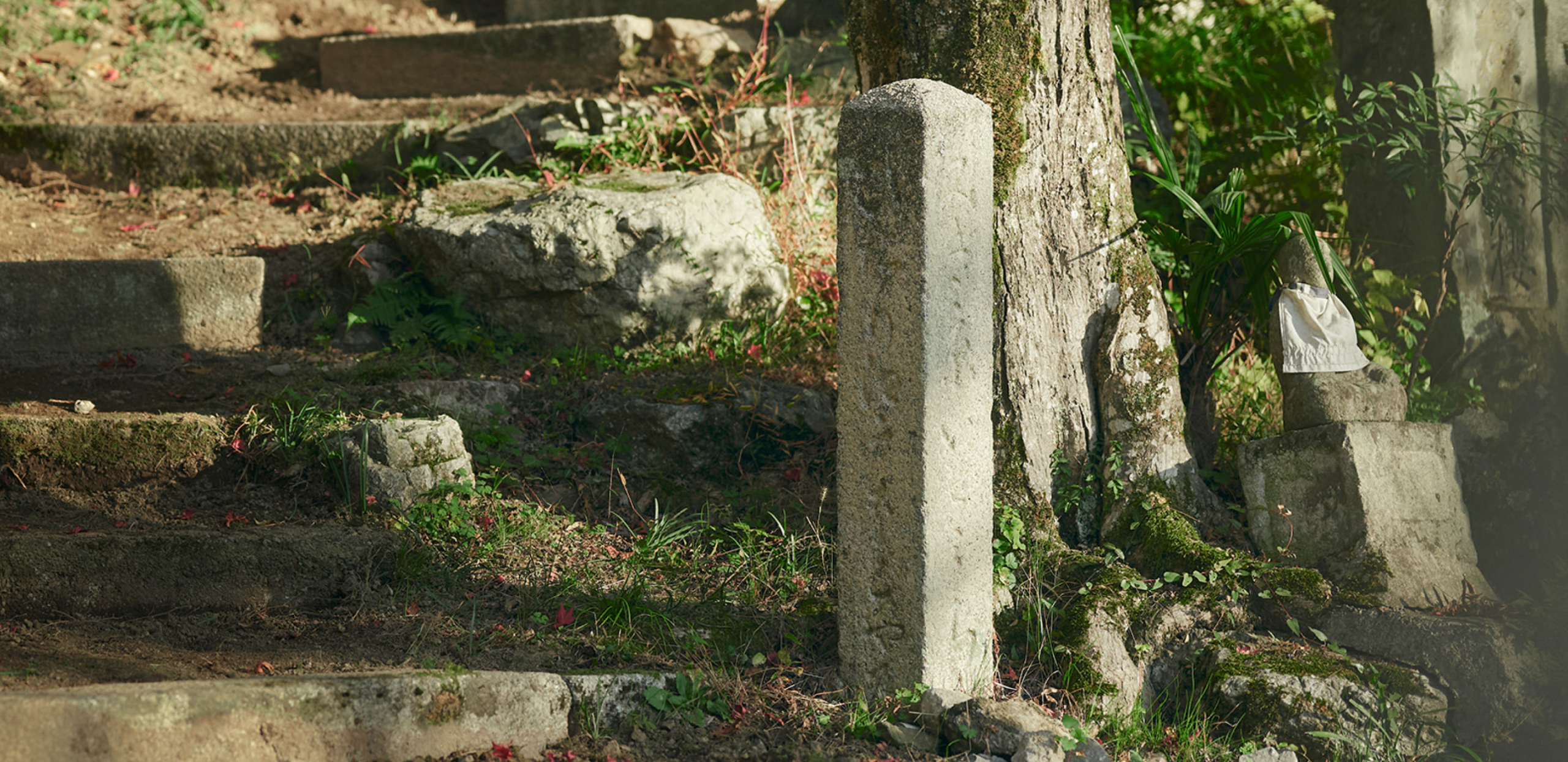
Omi (present-day Shiga Prefecture) has long been a key junction linking the imperial capital of Kyoto with regions across Japan. Major highways such as the Tokaido and Nakasendo passed through this land, and the Hokkoku Road and Hokkoku Side Route were developed to connect the Hokuriku region to the capital. Kinomoto, located at the intersection of these two roads, flourished as a post town where people, goods, and information converged. It was in this land — a gathering of diverse values, techniques, and food cultures — along the Hokkoku Road that Tomita Sake Brewery was established.
Lake Biwa also played a crucial role as a main artery for water transport between the capital and the Sea of Japan. Goods were carried from Hokuriku via Tsuruga and over the mountains to the northernmost ports of Lake Biwa, where they were loaded onto boats for transport southward to the capital. In 1882, just ten years after Japan’s first railway opened, the Nagahama–Tsuruga line began operation, and Kinomoto Station was established.
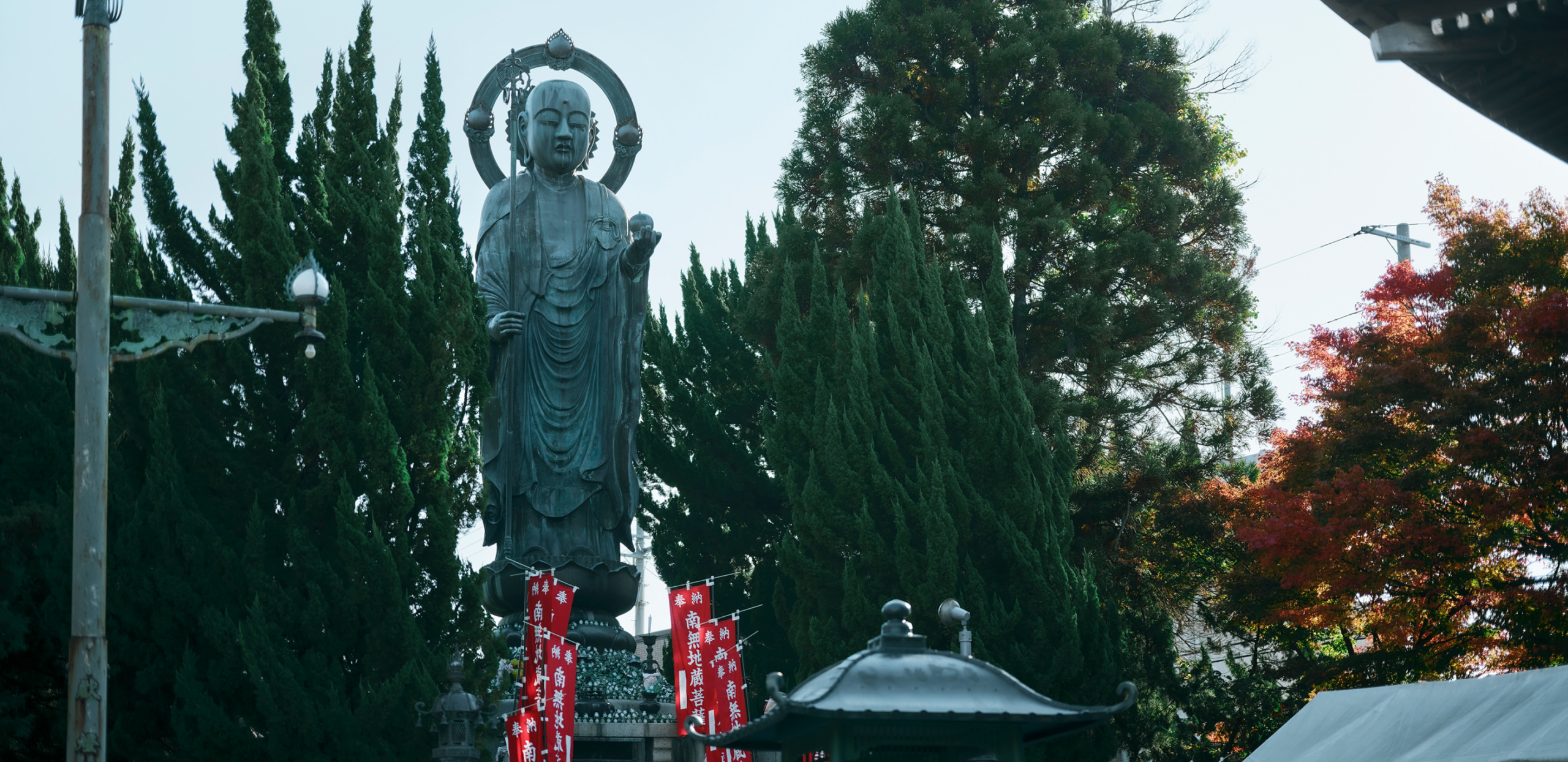
Today, Kinomoto’s atmospheric townscape preserves traces of its post-town heritage and early modernization. Every August, the Kinomoto Jizo Grand Festival draws many visitors and has become a cherished summer tradition. Time steadily flows on in this land, nurtured by generations of travelers.
Command Omi, Control the Nation
During the Sengoku period and the struggle for supremacy, Kohoku was a strategically crucial region. Remnants of the battlefields, forts, and castles where warlords once fought still dot the landscape. Odani Castle, the stronghold of the Azai clan that ruled Kohoku, fell after fierce battles with Oda Nobunaga. When the war finally ended and Toyotomi Hideyoshi was granted this land, he relocated his base to the lakeshore settlement then known as Imahama. Taking the character for naga from Nobunaga’s name, he renamed it Nagahama. There, he built Nagahama Castle — his first castle and the origin of his rise to national power.
Ishida Mitsunari, one of Hideyoshi’s most loyal retainers, was born in Nagahama. As a child, while serving as a page at Hokkeji Temple at the foot of Mt. Kodakami in Kinomoto, he famously entertained Hideyoshi with Sanken no Cha — three cups of tea of different temperatures and quantities. Impressed by the hospitality shown to him in this encounter, Hideyoshi took Mitsunari into service.
After the defeat of the Western Army at the Battle of Sekigahara, Mitsunari fled in hopes of a resurgence and headed toward Kinomoto, where he had once lived. Villagers hid him in a rock cave halfway up Mt. Kodakami called Otochi no Gankutsu, a carefully preserved site that continues to attract history lovers.
Mountains and the Form of Prayer
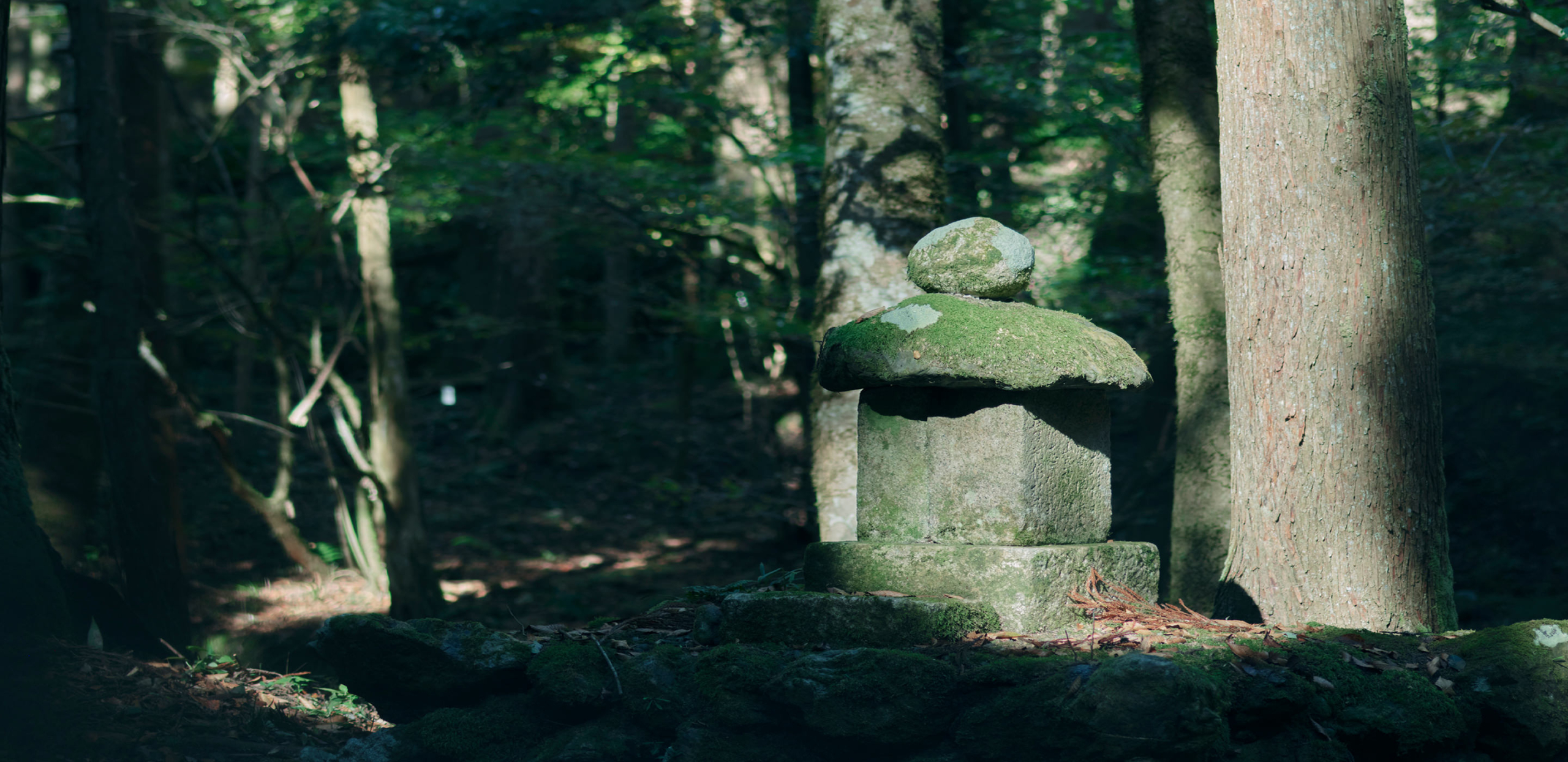
Mt. Kodakami, east of Tomita Sake Brewery, has long been revered as a sacred mountain and a site of mountain worship. It flourished as a center of Shugendo, which advocated a life of ascetic practices in the mountains. Having been revived by Saicho in the Heian period, a distinctive Buddhist culture developed at Mt. Kodakami, where multiple belief systems intertwined. As the centuries passed, many temples scattered throughout the mountains and villages went into decline, abandoned or lacking a chief priest. Yet the Buddhist statues enshrined there were not lost. They were welcomed by villagers, regardless of sect, and passed down as guardian Buddhas, watching over daily life.
The Sengoku era upheaval further deepened local faith. Amid the horrors of war, people especially sought solace in Kannon, the goddess of mercy and compassion, known for listening to the cries of suffering. Each village enshrined and revered its own statue — Our Village Kannon — which they protected with their lives. Even today, these Kannon statues remain in small village halls, carefully tended by residents. What matters is not the age or the quality of the artistry, but living alongside the Buddha that ancestors once risked their lives to protect. This is the unique form that prayer took in Kohoku. Such spiritual traditions of the Kohoku people have been explored in the writings of cultural essayist Shirasu Masako and the novelist Inoue Yasushi.
Produce and Flavors from the Land of the Lake
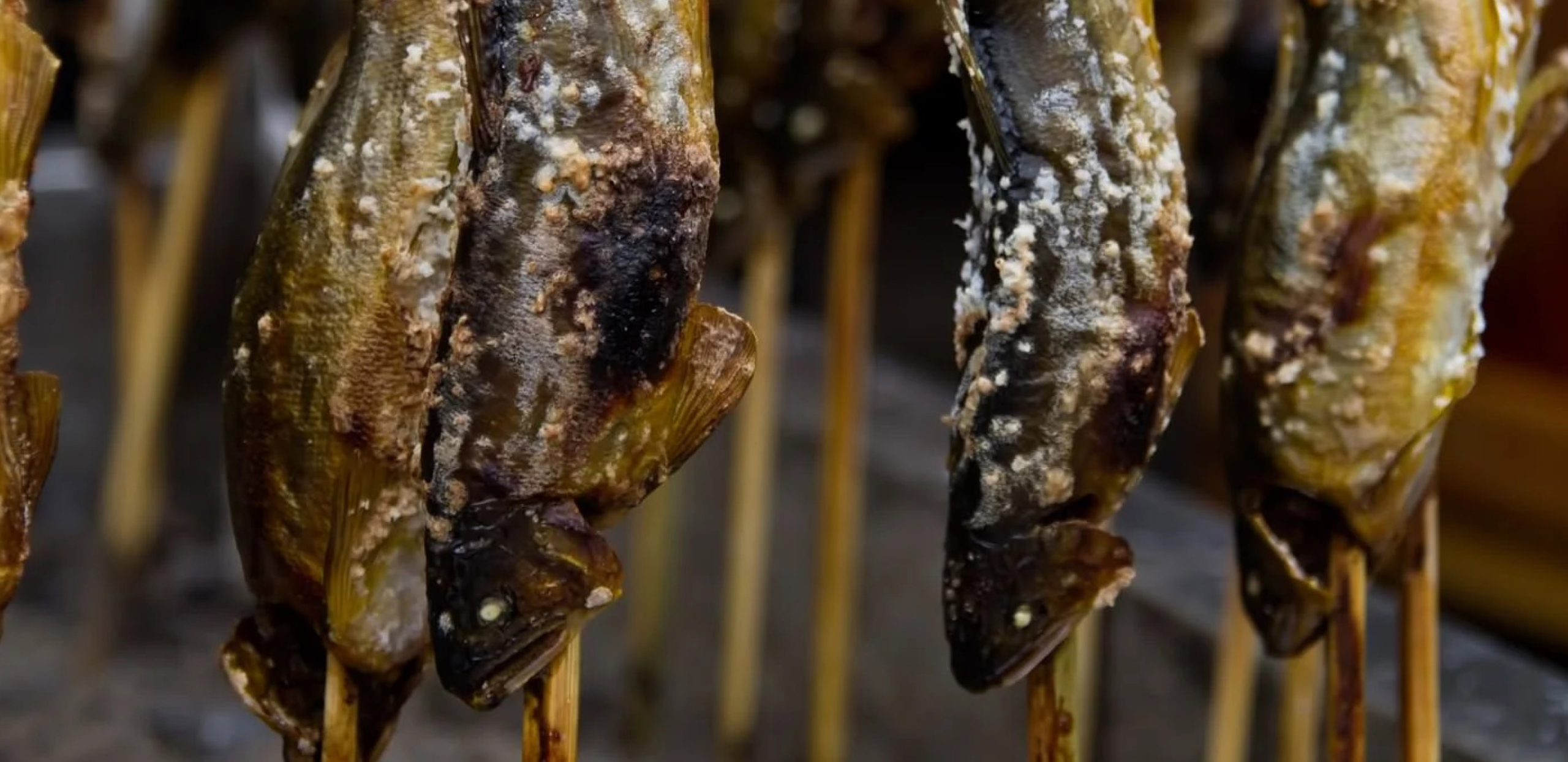
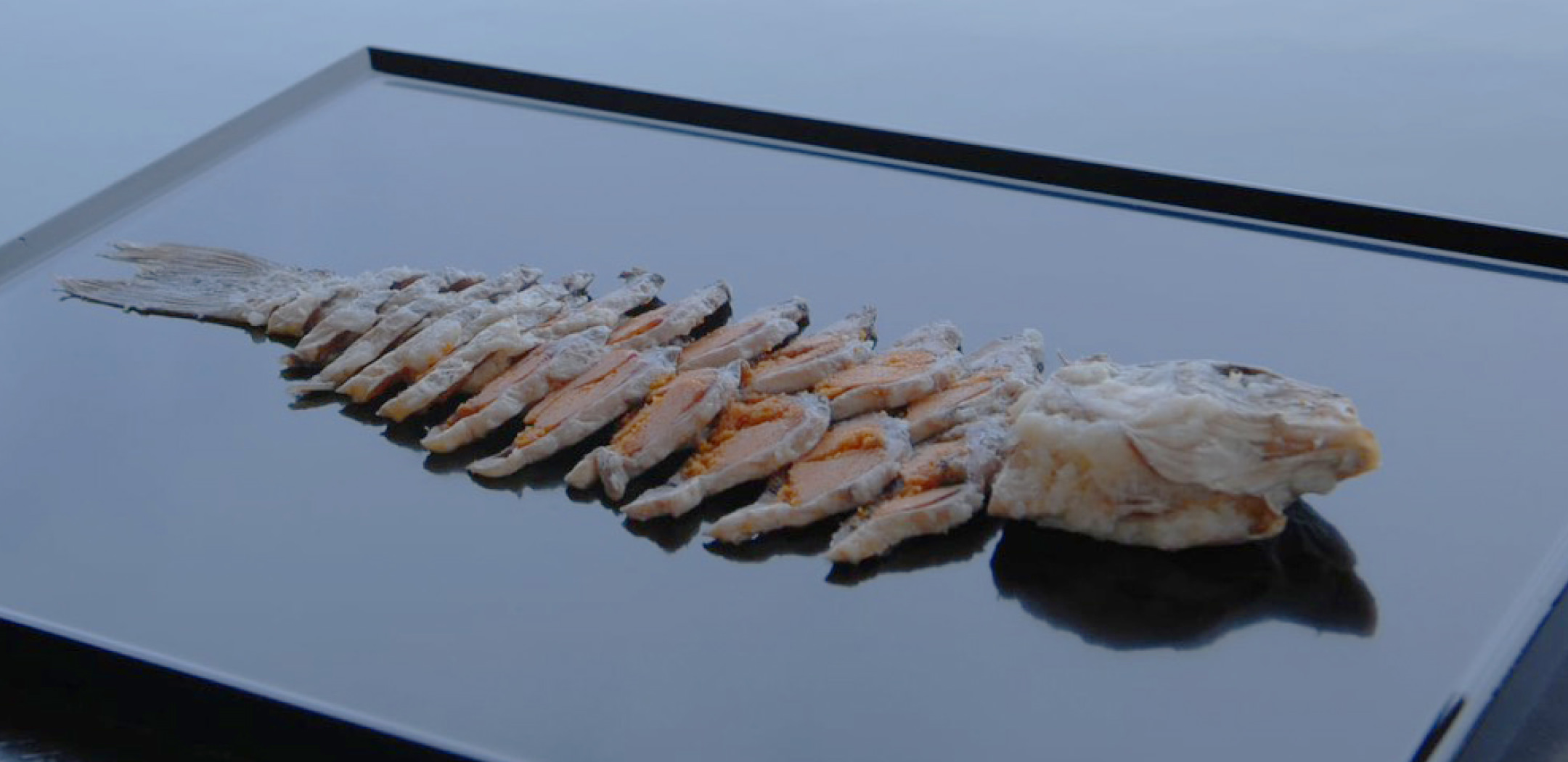
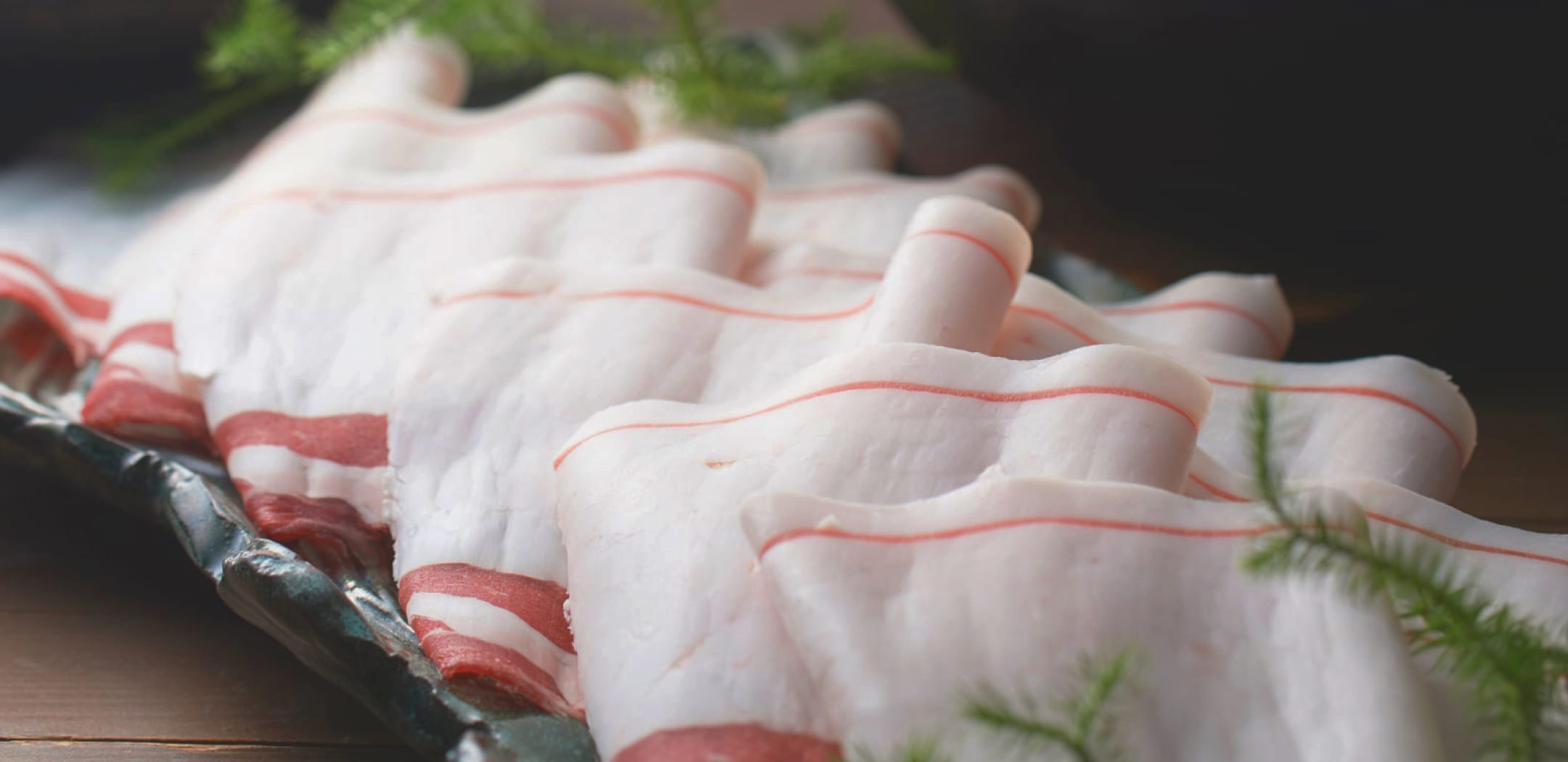
With a history spanning four million years, Lake Biwa is the world’s third-oldest freshwater lake and Japan’s largest. It supports a rich ecosystem with more than sixty endemic species. In landlocked Shiga, culinary traditions have evolved to make full use of these bounties. Freshwater fish are often simmered with bold seasonings or accented with spices and condiments such as sansho to enhance their flavor. Another hallmark of Shiga’s food culture is its diversity of fermented foods, exemplified by funazushi. Made by fermenting nigorobuna carp with cooked rice and salt, it is a form of narezushi, with variations using other lake fish. Mountain vegetables, mushrooms, and game meat have also been preserved through fermentation using salt, miso, and koji malted rice — wisdom born of the land.
As the saying goes, “Local food pairs best with local sake.” Drawing out the unique character of this land, Shichihonyari goes astonishingly well with the cuisine of the Lake Province. It is just one of the many charms of Shichihonyari.