Brewing in this place
Shichihonyari begins from deep engagement with this land. Water, rice, climate, and time.
We accept what is given, in its natural form, and create sake, drawing honestly and directly on the innate strength of each element.
We pursue purity — flavor free from excess, whose appeal speaks for itself. Definition over ornamentation.
Certainty over transience.
The origin is narrow, but the destination is vast. Our wish is that a single cup born here, wherever it is sipped, sparks an encounter with this land.
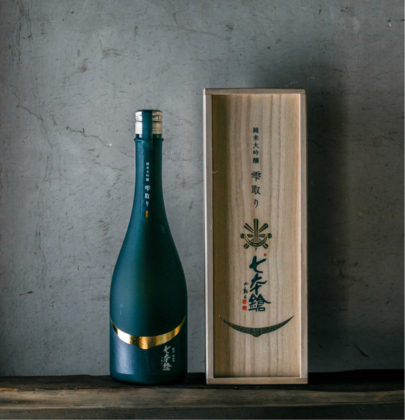
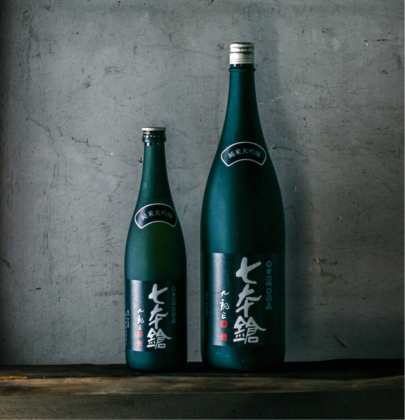
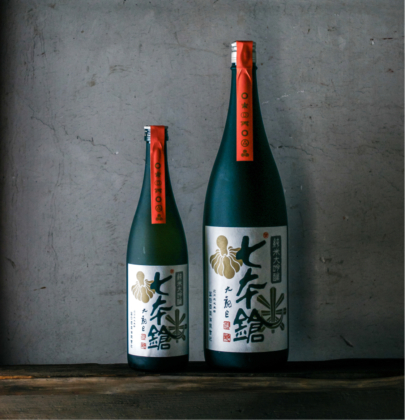
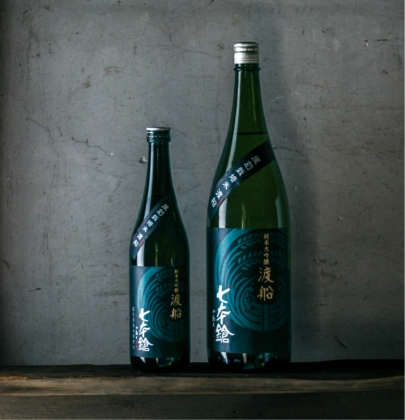
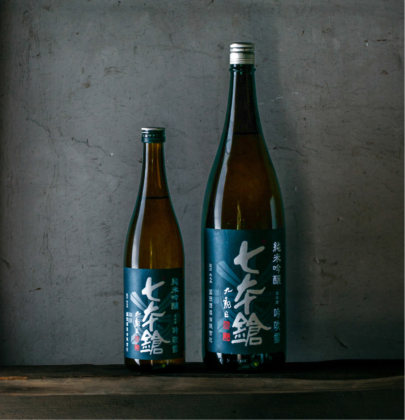
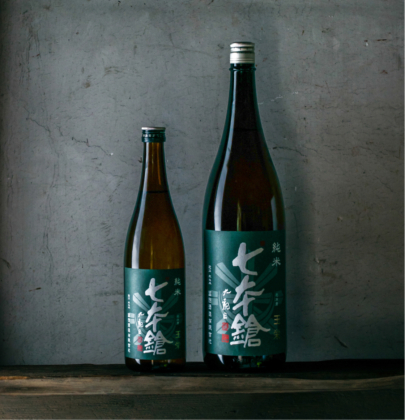
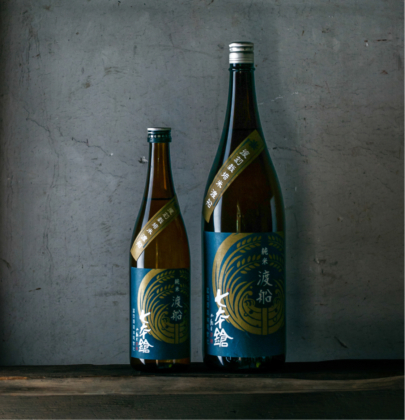
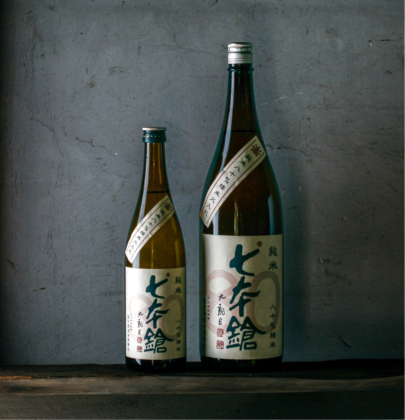
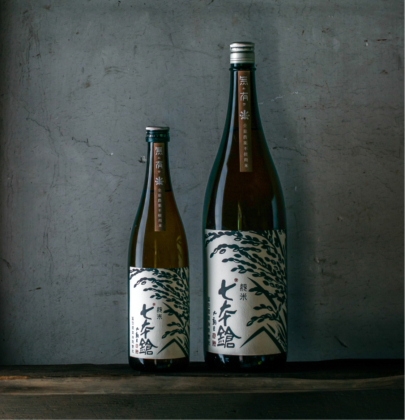
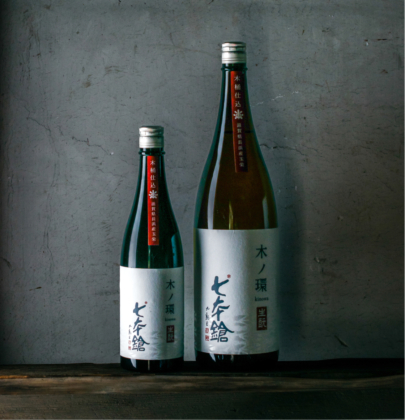
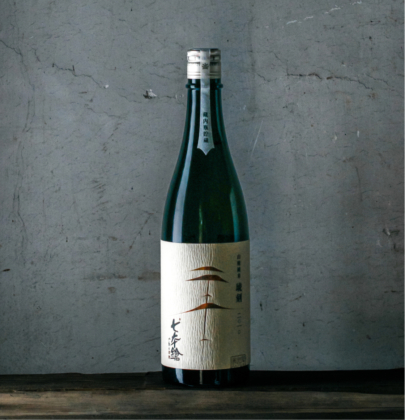
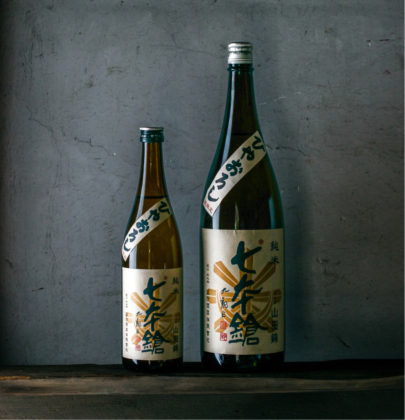
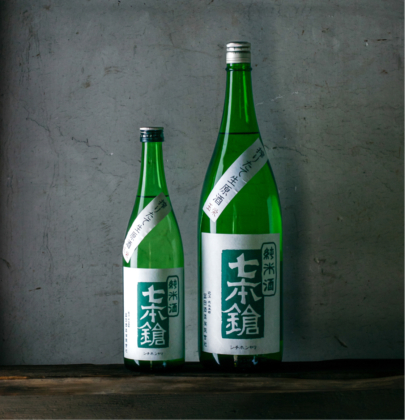
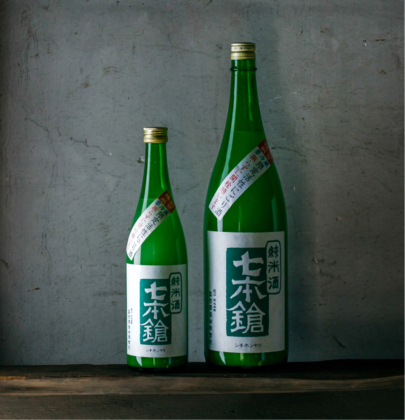
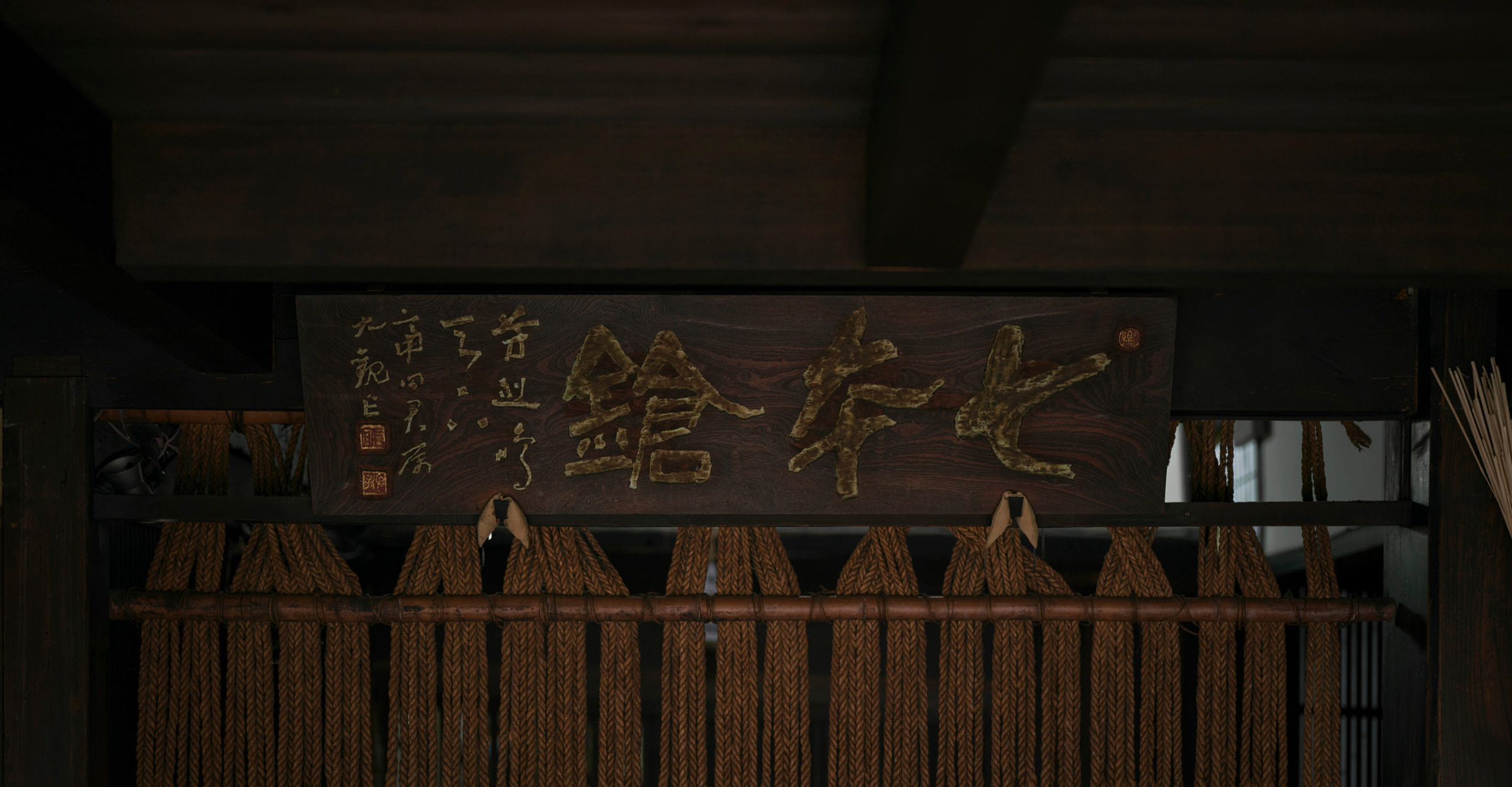
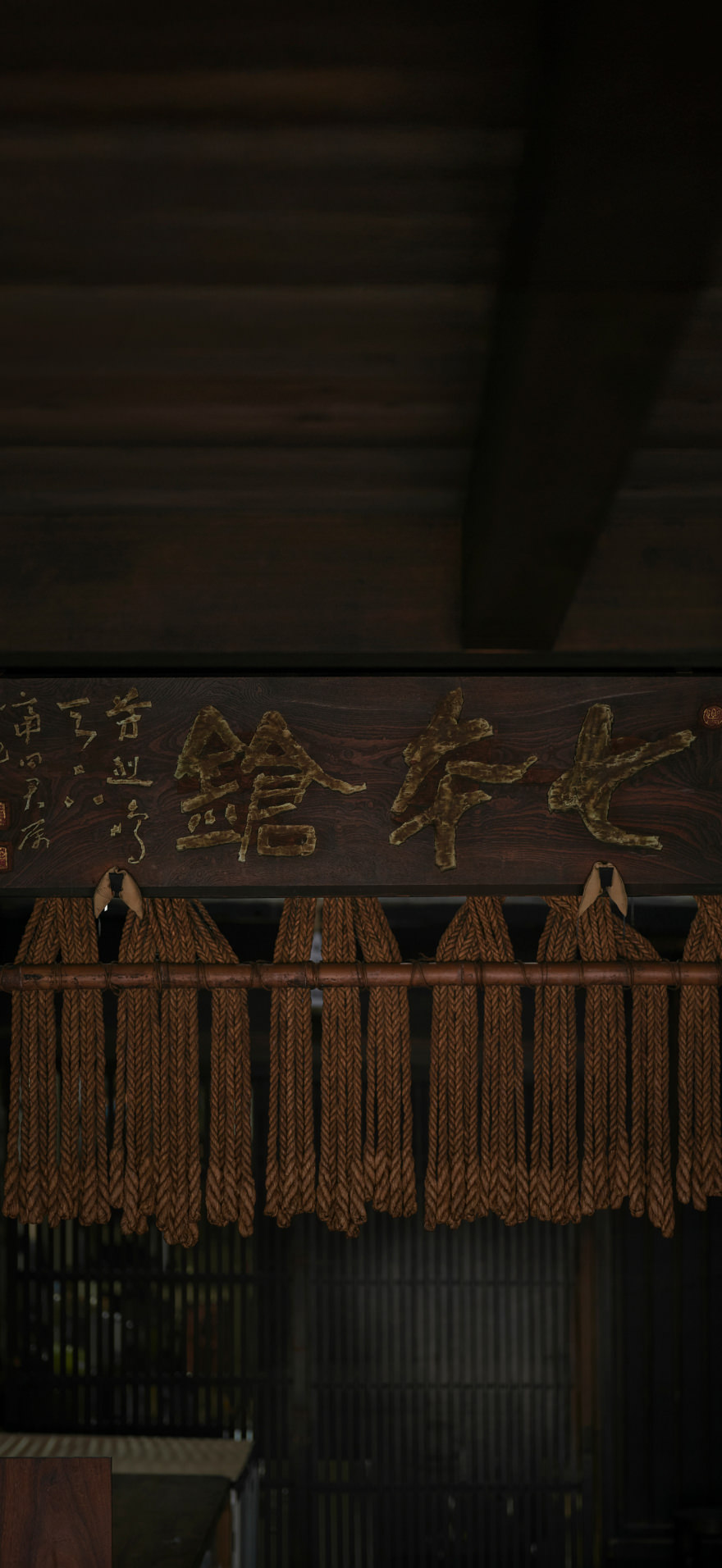
The Shichihonyari brand is named for the seven young warriors who distinguished themselves in the Battle of Shizugatake. The characters found on labels were carved in woodblock by Rosanjin Kitaoji, a noted artist and gourmet who once stayed at our brewery.
Chemical-Free Farming
Presence through absence
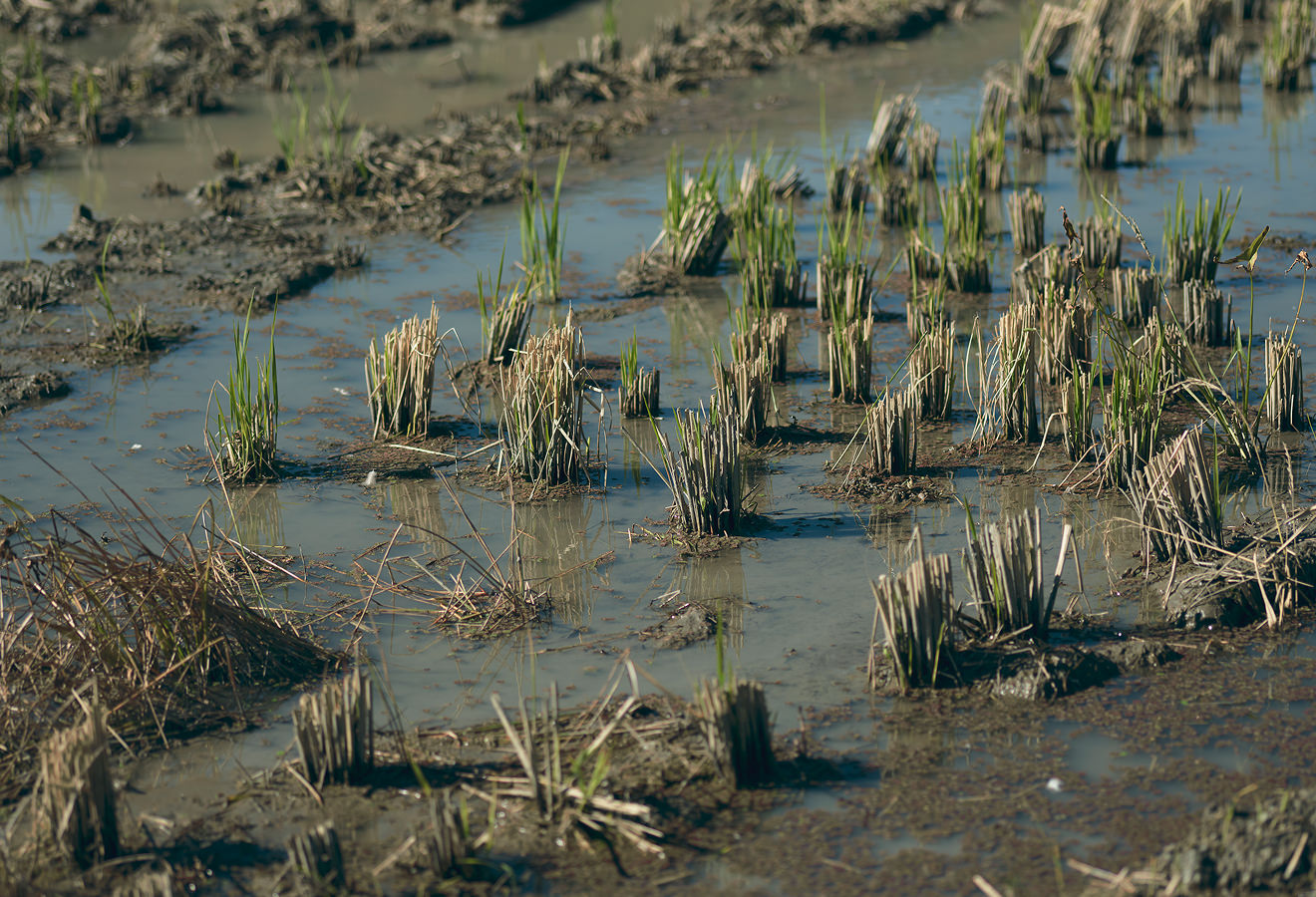
Because we are committed to sake that expresses place, we focus on brewing sake that fully reflects the soil’s idiosyncrasies. We want to brew sake from rice that is gentler to the environment and more natural. That is the very simple thought that drove our work with chemical-free rice. Rather than adding chemicals and fertilizers, might the rice’s inherent vitality — the true character of each variety — emerge more clearly when we nurture it without adding anything at all?
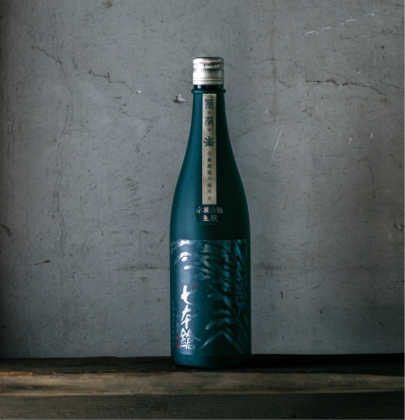
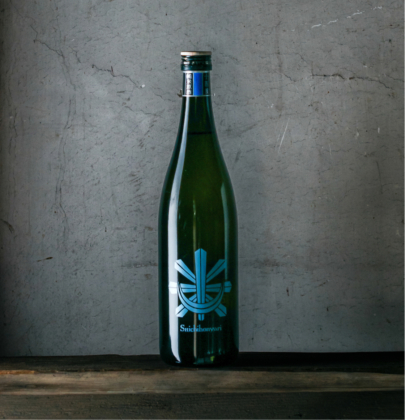
Growing rice without chemicals is never easy. It comes with unstable yields and immense labor, in direct opposition to efficiency. Even so, we believe there is meaning in how it reflects the raw strength of sake ingredients and in how it minimizes the strain on nature and people. This conviction resonated with farmers, and in 2010, we began cultivating brewing rice without chemicals. Our aim is not merely to eliminate chemicals. In the process, both the farmers and our brewery seek to create something new and meaningful. We call the resulting sake “Muu (無有)”— something that exists precisely because nothing is added.
Wooden-Vat Brewing
Preserving the scene of wooden vats
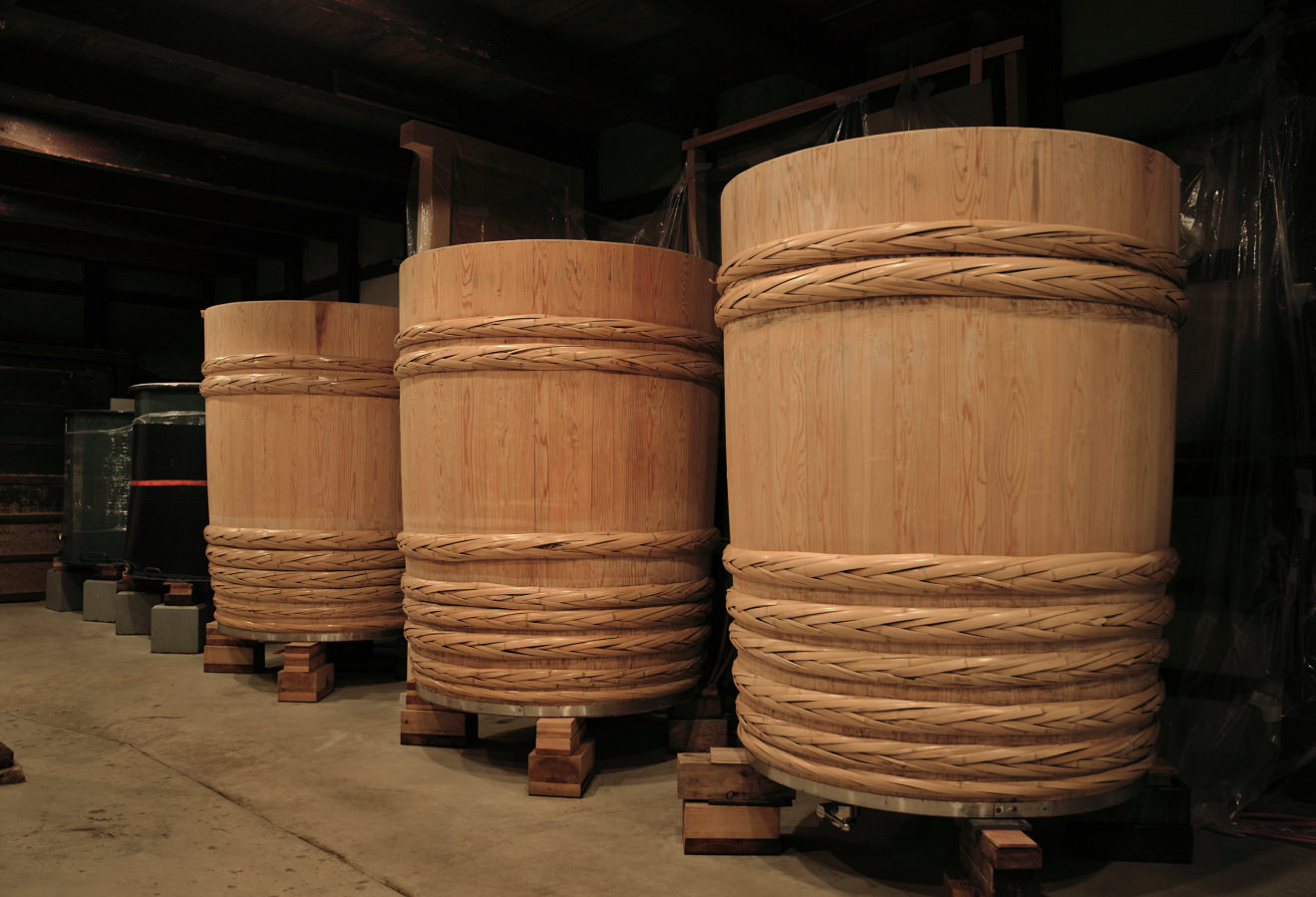
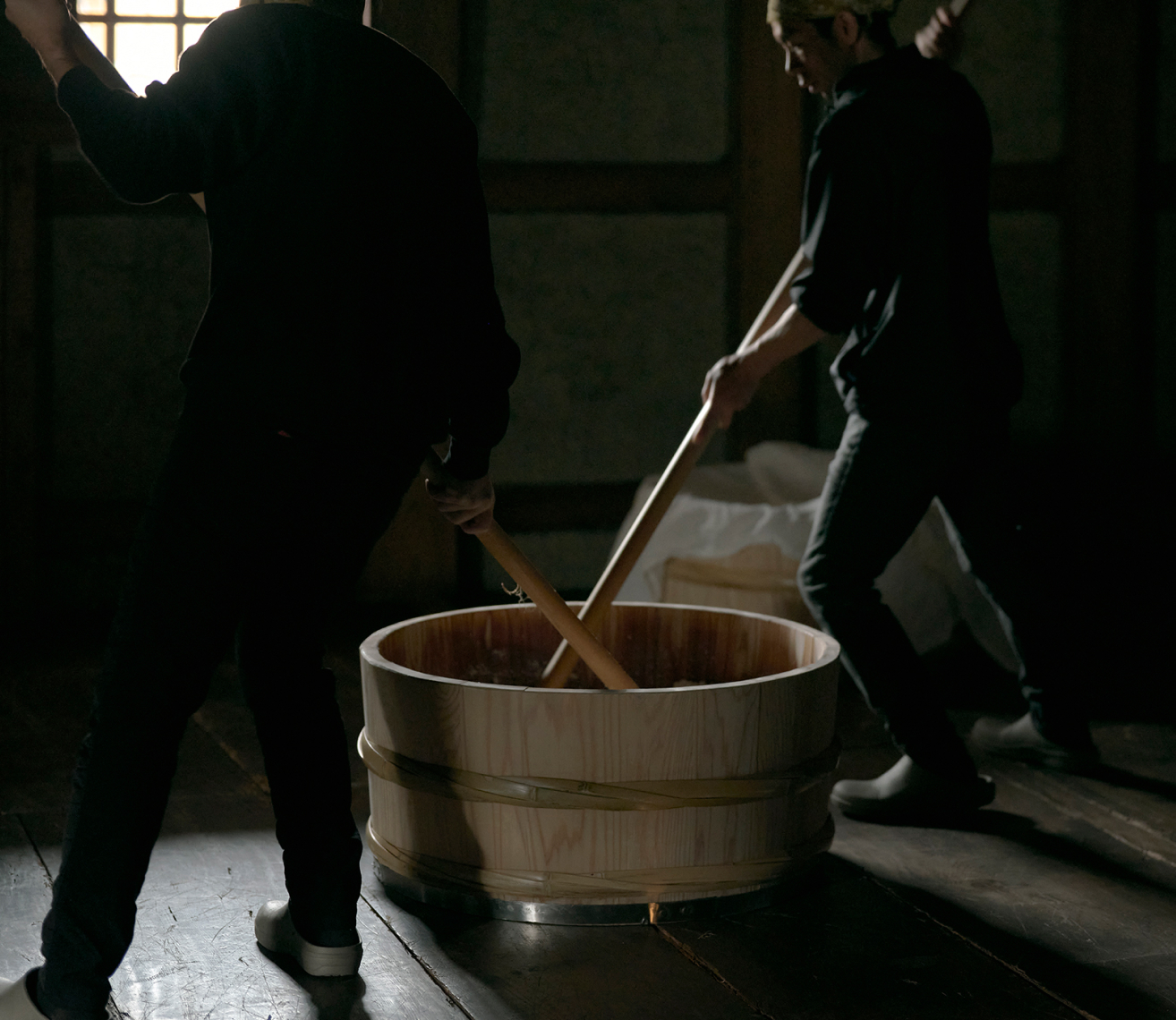
Once nearly lost, wooden vats are a defining image of Japan’s fermentation heritage. Wishing to preserve their presence, we commissioned one of the last remaining vat craftsmen and began brewing sake in wooden vats. It is not enough for wooden vats to simply exist. To be passed on to the next generation, they must be used, cared for, and harnessed in fermentation.
Wood is a living material, just like rice, water, or microorganisms. Wooden vats are porous, with countless microscopic openings on their surface. There, each brewery’s native microbes take residence, interacting in complex ways to create layered flavors. Handling wooden vats demands extraordinary labor and skill. But far surpassing the effort required are the pleasant, natural aromas and flavors that arise from brewing in this natural vessel.
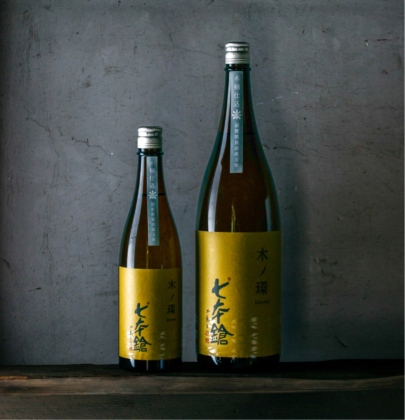
When their role in sake brewing ends, wooden vats can find new life in soy sauce or miso production. The wood is used fully, then circulated. Within this practice lives a philosophy of renewal and continuity. To use wood is to think of forests, and to consider the flow of water. Beginning with sake brewing, we seek to sustain this cycle centered on wood. This intention is embodied in our sake named “Kinowa (木ノ環)”— the cycle of wood.
Kimoto Brewing
In sync with the brewery’s microbes
We wish to brew sake more naturally, together with the microorganisms that have long existed within this brewery. From this desire, we began kimoto brewing. In sake-making, the preparation of the moto (yeast starter) is the foundation of fermentation. In kimoto brewing, after the moto-suri (mash-grinding) process, we wait for naturally occurring lactic acid bacteria living in tools and around the brewery to emerge. Their lactic acid suppresses unwanted microbes, allowing the ideal yeast to grow and flourish.
Rather than controlling everything by human hand, we observe microbial activity and guide it patiently. This method is deeply mysterious, yet it demands an exceptional level of skill and experience. We hold profound respect for our predecessors’ intuition and perseverance in discovering such a complex technique long before scientific tools existed. Once nearly lost, we strive to implement it in our contemporary sake brewing, with a wish to pass it on to future generations. The lactic acid produced by natural bacteria creates flavors that are layered and deep. Complex yet rounded, the sake expresses the character of the brewery itself — a natural taste that settles comfortably into the body. For us, kimoto brewing is sake brewing steeped in tradition, born from the interplay of microbes, people, and time.
Aging
Crafted by people, finished by time
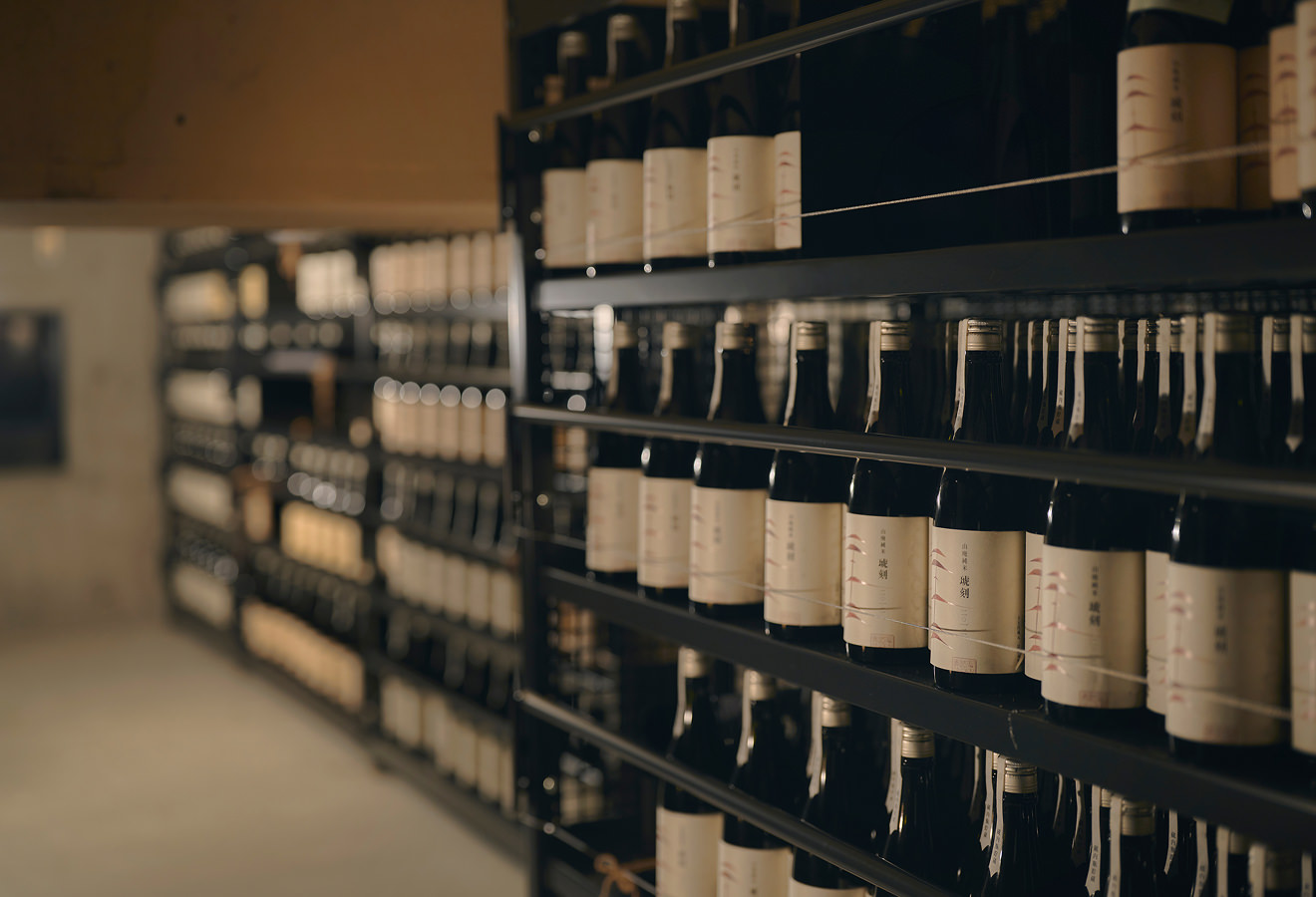
We have long been captivated by aged sake — the flavors shaped by time itself. As time leaves its imprint on sake brewed by human hands, the flavors become more concentrated and deepen, and the liquid takes on an amber tone. This transformation mirrors human life, as people, too, gain depth with the passage of time. Sake from milestone years holds special meaning for those who drink it. For brewers, sake from years of particular challenge or change becomes a record of our own brewing journey.
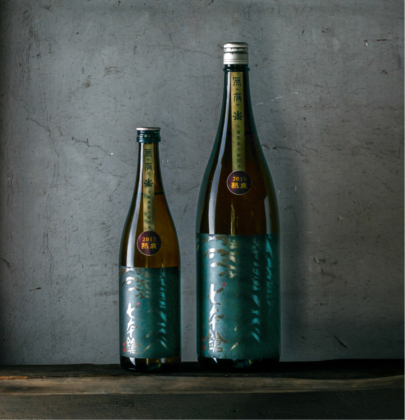
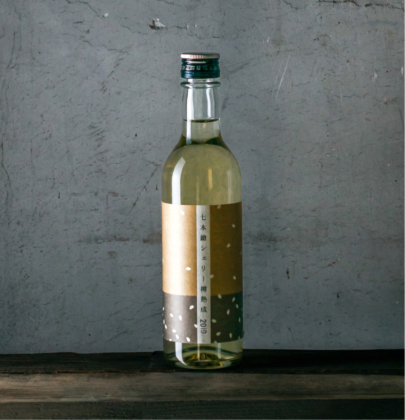
Sake is, by nature, an indulgence. With no single correct way to enjoy it, we believe that tasting time itself can be one such pleasure. Time, however, cannot be bought. That being the case, we must begin now. With this resolve, in 2010, we began the Kokoku (琥刻) sake series centered on aging. The name reflects both the deepening amber hue and the time etched within, brewed with a vision of the moment the sake will be tasted 20 or 30 years in the future. The name is also a nod to the nickname for this land, which means “lake country”.
The sake chosen to withstand the trial of time began with yamahai brewing. We transitioned to native yeast in 2013 and to kimoto brewing in 2021. Each vintage of the Kokoku series is brewed solely from rice, water, and microorganisms encountered that year — sake that truly reflects its time. Even now, it ages quietly, here in the land of Lake Biwa.
Rice as Sake
Engaging with rice
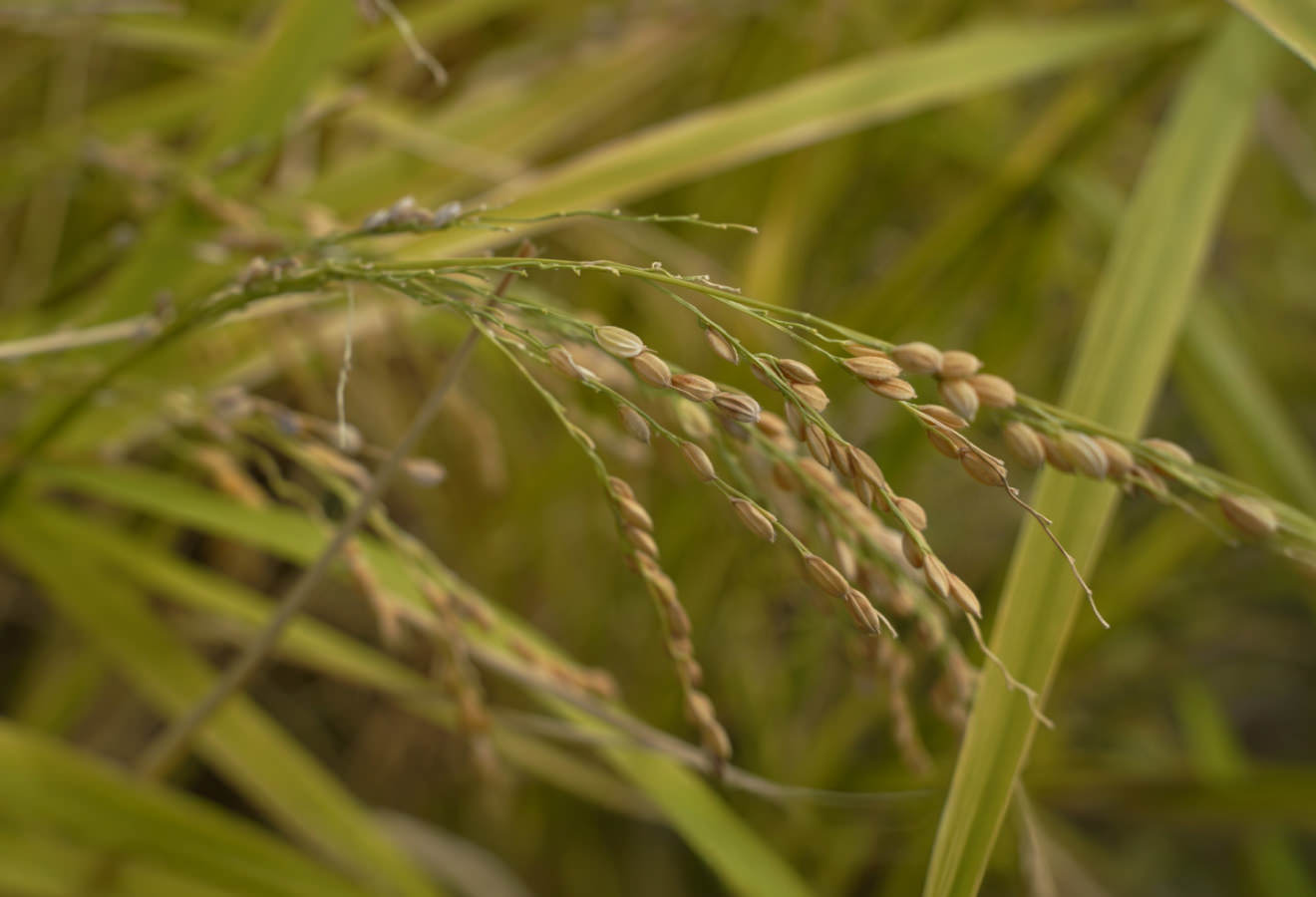
“To brew sake of this land using rice from this land.” This desire has driven our commitment to working with local farmers and brewing sake steeped in the region. The more we focus on rice, the clearer our goal becomes: not to shape flavor through intervention, but to extract the rice’s intrinsic flavor to the fullest. For this reason, we brew using single varieties only — we do not blend. We want each variety, each year, and each set of local conditions to be expressed without dilution.
We also turn our attention to heirloom rice varieties long cultivated here. Rice that survived not for yield or efficiency, but through coexistence with this land’s climate, soil, and people. Within them, we sense memories of place beyond what numbers can capture. Because the rice absorbs and carries the earth’s power, we do not polish it excessively. Since 2004, we have practiced low-polishing brewing, using rice that retains more of its original form. The character of the rice becomes the character of the sake. This also means receiving the time this land has traveled — as sake. Each sip is an experience of the land’s long story.